










How to Handle Car Damage and Insurance Claims
If your car gets damaged, it can be a stressful time. Understanding how to handle the repair process and an insurance claim can make things much easier. Here’s a simple guide based on a real car repair experience.
Understanding Car Damage and Repairs
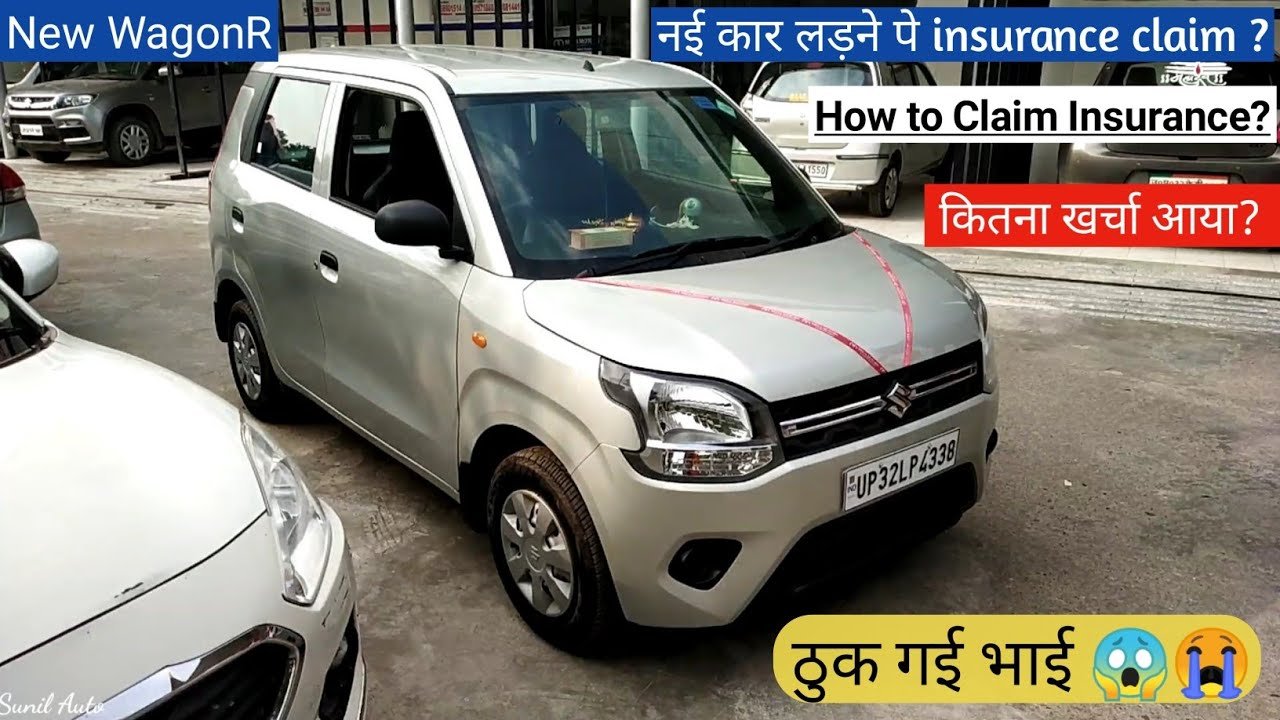
A car, just a little over a month old, had an accident. It hit something and was damaged. The front bumper was badly torn, and the left front headlight was broken. The right side door also got a dent and scratches. The car needed immediate repairs to restore its condition.
The Car Insurance Claim Process
When your car is damaged, the first step is to file an insurance claim. For this, you need to visit an authorized service center.
- Surveyor Visit: An insurance surveyor will inspect your damaged car. They will take many photos of all the damaged areas, including scratches, dents, and broken parts.
- Questions: The surveyor will ask you questions about how the accident happened. You need to explain clearly what occurred.
- Claim Form: The surveyor will fill out a detailed claim form. This form notes every detail of the damage and helps the insurance company understand the repair needs.
- Empty Your Car: Before giving your car for service or repair, make sure to empty it completely. Remove all your personal belongings. The service center is not responsible for items left inside the car.
What Happens at the Service Center?
Once the surveyor completes their inspection and the claim is approved, the service center starts the repair work. They aim to fix your car quickly, but major damage can take more time. The goal is to return your car to you looking neat and clean, just like new.
Parts Replaced and Repaired
In this specific case, several parts needed attention:
- Front Bumper: The front bumper was completely torn. It was replaced with a new one instead of being repaired.
- Left Front Headlight: The broken left front headlight was also replaced.
- Right Side Door: The dented and scratched right side door was repaired and repainted.
- Other Repairs: Some other minor parts and “drop oil” (likely related to the front repair area) were also changed.
For all these major part replacements and bodywork, the insurance company covered the costs.
Understanding Your Car Repair Bill
The total bill for the repair work was ₹1236. Here’s how the costs were split:
- Customer Payment: The car owner paid ₹1005. This amount is often a processing fee or a small deductible.
- Minor Parts: An additional ₹236 was paid for some small parts or consumables, sometimes called “potli” items.
- Insurance Coverage: The insurance company paid for the main costs of replacing the bumper, headlight, and repairing the door. The car owner did not have to pay extra for these expensive parts.
The overall process ensures that for a small out-of-pocket expense, the major repair costs are covered by insurance, making your car look new again.
Tips for Your Car Repair
- Check Your Car: Before taking your repaired car home, carefully check everything. Make sure all your items, like floor mats and toolkits, are present and in place, as there is no guarantee for items that might get misplaced.
- Ask Questions: If you have any doubts about the repair process or the bill, always ask the service center for clarification.
Handling car damage and insurance claims can be simple if you follow these steps.